


What gets built and where
Discover how we use and shape the planning system to protect Gloucestershire’s countryside, and support you with your planning cases and concerns
What gets built, and where, matters. Planning decisions influence the future of Gloucestershire’s countryside, communities and environment for decades to come. They determine how we meet housing and economic needs, protect green spaces, support wildlife and tackle climate change.
CPRE Gloucestershire works to ensure that development benefits both people and place. Through the dedication of our volunteers, District Committees, national network, campaigns and planning expertise, we champion well-designed, sustainable development that protects Gloucestershire’s countryside while supporting thriving communities.
Land-use planning is fundamental to this work. We work with local communities, planning authorities and decision-makers to promote sustainable development that respects local character, safeguards our most valued landscapes and delivers lasting benefits for future generations.

SHAPING LOCAL & NEIGHBOURHOOD PLANS
Many of the most important planning decisions are made long before individual planning applications are submitted. Through Local Plans and Neighbourhood Plans, communities can help shape how their area develops and grows.
Local Plans set out where development should take place, how much is needed and the policies that guide future planning decisions. Before they are adopted, they go through public consultation, giving residents, businesses and community groups the chance to have their say.
Neighbourhood Plans allow communities to develop a shared vision for their area and influence issues such as:
- Where new homes should be built
- The location of shops and workplaces
- The design and appearance of development
- Community facilities and infrastructure
- Local environmental priorities
Once adopted, Neighbourhood Plans become part of the statutory development plan and help guide planning decisions. They must align with the strategic policies of the Local Plan but provide an important opportunity for communities to shape development at a local level.
With potential council structure changes on the horizon, now is an important time for local communities to engage with the planning process and help shape the future of the county.
BACKING BROWNFIELD
Brownfield land, which is previously developed land that is vacant, underused or in need of regeneration, has an important role to play in meeting development needs while protecting Gloucestershire’s countryside.
The UK’s vast supply of brownfield land is the best place to deliver the homes we need. CPRE’s research states that at least 1.4 million homes could be built on brownfield sites in England.
A brownfield-first approach that prioritises previously developed land in planning decisions before our finite countryside and green spaces. It helps protect valuable farmland and wildlife habitats, makes use of existing infrastructure, revitalises communities and promotes suitable growth.
Despite its importance, nearly 40% of local planning authorities do not have an up-to-date brownfield register, and almost one-in-ten have not updated theirs for more than five years.
Our brownfield survey project, LandWise, puts this principal into practice. We are gathering local knowledge to identify overlooked and unregistered brownfield sites in Gloucestershire, advocating to unlock opportunities for regeneration and build a stronger evidence base to support better-informed development decisions.
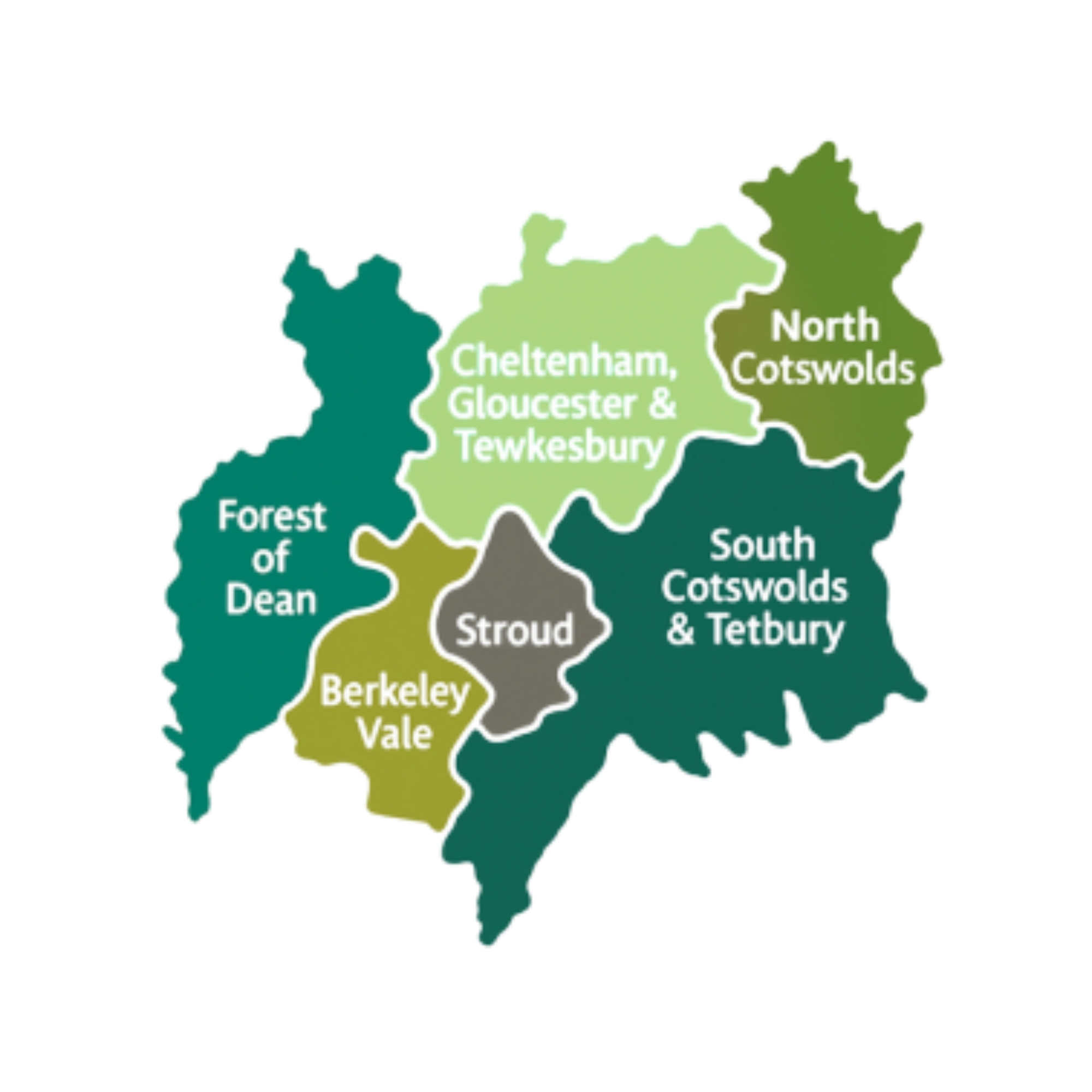
Our six District Committees lead our planning work and play a vital role in shaping development across the county. Each Committee focuses on planning matters within its own area while also working collaboratively on county-wide matters.
Our District Committees are:
- Berkeley Vale
- Stroud
- North Cotswolds
- South Cotswolds & Tetbury
- Forest of Dean
- Cheltenham, Gloucester & Tewkesbury
Made up of knowledgeable local volunteers, our Committees review planning applications submitted to local authorities and assess whether proposals reflect CPRE’s values as listed on this page.
Through this work, we help ensure that planning decisions take account of the countryside, local people and the long-term future of Gloucestershire.
Supporting you
Our guides
Planning can be complex, especially when development proposals affect places that matter to you.
Whether you’re responding to a planning application, commenting on a Local Plan or simply trying to understand the process, our guides are the first step to support you in your planning cases.
We recommend starting with our two practical guides below:
- 9 steps to influence a planning application
- How to respond to planning applications
These guides explain how the planning system works and provide practical advice on preparing effective, evidence-based responses.
Further support
We do sometimes receive requests from members and supporters to support them in objecting to a planning application. We are proud of our reputation for objectivity and soundness in land use planning. We can and will only offer support where it is compatible with our own evaluation and justifies use of our limited resources.
Submitting land use planning representations can require a substantial input of time, not just in preparing our input, but also in assessing the large volumes of documentation submitted by others.
We are fortunate that our District Committees are made up of volunteers with a good degree of background knowledge and expertise to ensure that our views are taken seriously by planning authorities and, where relevant, by a planning inspector.
For further support, please email our planning inbox by clicking the button below.