

What gets built and where
What gets built, and where, matters. Planning decisions influence the future of Gloucestershire’s countryside, communities and environment for decades to come. They determine how we meet housing and economic needs, protect green spaces, support wildlife and tackle climate change…

CPRE Gloucestershire works to ensure that development benefits both people and place. Through our volunteers, District Committees, campaigns and planning expertise, we champion thoughtful planning that safeguards the county’s countryside and character while creating sustainable, thriving communities.
Whether you’re commenting on a planning application, helping shape a Local Plan or developing a Neighbourhood Plan, your voice can make a difference.
Together, we can help create a future where development is well-designed, well-located and right for Gloucestershire’s countryside.
Land-use planning
Land-use planning is a fundamental part of our work to protect and enhance Gloucestershire’s countryside. We work with local communities, planning authorities and decision-makers to encourage sustainable development that respects local character and safeguards our most valued landscapes.
When we assess development proposals, some of the questions we ask:
- Is development in the right place?
- Is the scale and design appropriate for the local area?
- Can local roads and transport networks support it?
- Are essential services and facilities easily accessible?
- Are homes genuinely affordable for local people?
- Is there a suitable mix of housing, including social housing, to meet local needs?
Shaping Local Plans and Neighbourhood Plans
Many of the most important planning decisions are made long before individual planning applications are submitted. Through Local Plans and Neighbourhood Plans, communities can help shape how their area develops and grows.
Local Plans set out where development should take place, how much is needed and the policies that guide future planning decisions. Before they are adopted, they go through public consultation, giving residents, businesses and community groups the chance to have their say.
Neighbourhood Plans allow communities to develop a shared vision for their area and influence issues such as:
- Where new homes should be built
- The location of shops and workplaces
- The design and appearance of development
- Community facilities and infrastructure
- Local environmental priorities
Once adopted, Neighbourhood Plans become part of the statutory development plan and help guide planning decisions. They must align with the strategic policies of the Local Plan but provide an important opportunity for communities to shape development at a local level.
With Gloucestershire moving to a new unitary council structure by 2028, now is an important time for local communities to engage with the planning process and help shape the future of the county.
Do you know what your Local Plan says? Does your community have a Neighbourhood Plan? Have you had your say?
Brownfield-first approach
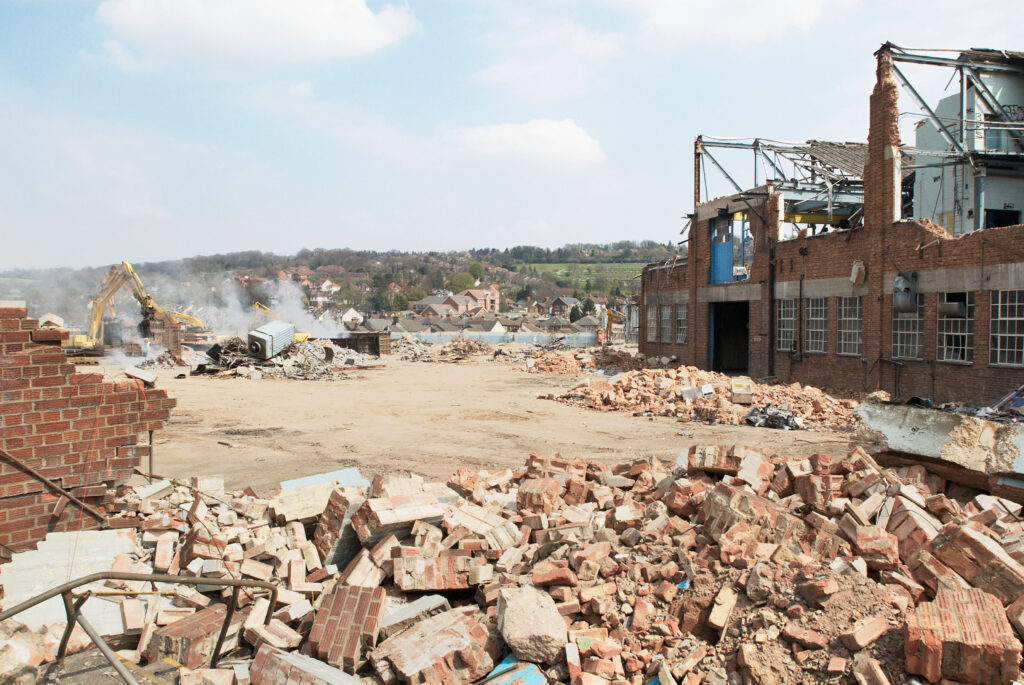
Brownfield land is previously developed land that is vacant, underused or in need of regeneration. Making better use of these sites can help deliver new homes while protecting Gloucestershire’s countryside.
At CPRE Gloucestershire, we support a brownfield-first approach that prioritises suitable previously developed land before building on green fields and open countryside. Well-planned regeneration can revitalise communities, make use of existing infrastructure and reduce pressure on the countryside.
This approach is at the heart of LandWise: Gloucestershire’s Brownfield Survey Project, which explores how land can be used more wisely to support housing, nature recovery, food production and climate resilience across the county.
Passionate about planning
Our District Committees play a vital role in shaping local development across Gloucestershire.
Made up of knowledgeable local volunteers, they review planning applications submitted to local authorities and assess whether proposals align with CPRE’s values and respect the character of the area. Their primary concern is whether development is in the right place and whether it fits its surroundings.
Particular attention is given to proposals affecting rural areas, especially within National Landscapes (formerly Areas of Outstanding Natural Beauty). Alongside potential impacts on the landscape, our volunteers consider how development may affect local communities, including hamlets, villages and market towns.
Through this work, CPRE Gloucestershire helps ensure that planning decisions take proper account of the countryside, local people and the long-term future of our county.
Supporting you
Planning can be complex, especially when development proposals affect places that matter to you. Whether you’re responding to a planning application, commenting on a Local Plan or simply trying to understand the process, we’re here to help…
If you’re getting involved in planning for the first time, we recommend starting with our practical guides:
- 9 steps to influence a planning application
- How to respond to planning applications (from CPRE and the National Association of Local Councils)
These guides explain how the planning system works and provide practical advice on preparing effective, evidence-based responses.
If you need further guidance or support with a planning issue in your area, visit our planning support page: